EXEL works closest to the source of pollution
The EXEL system is installed in three types of location — always with the same 80–99% efficiency, which depends on the size of the modules used and the rate of airflow. The size and operating parameters can be adjusted to suit demand.
The emission source closest to residents
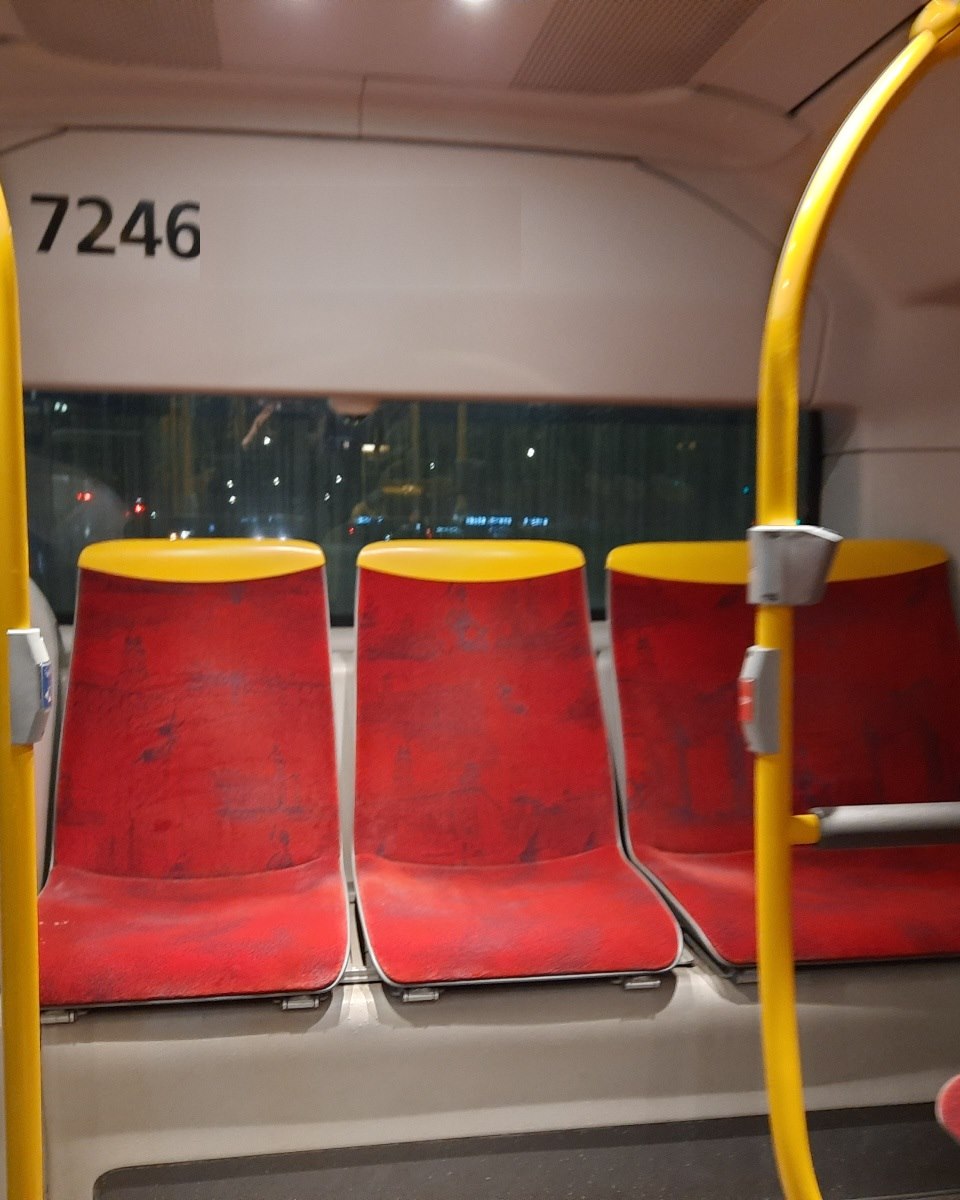
Buses cover a city in a way nothing else can — an average of 200 km a day per vehicle. EXEL can be installed in any vehicle, regardless of its age, EURO class or type of drive, without building any additional infrastructure. Pictured: an actual installation location in the floor of a bus.
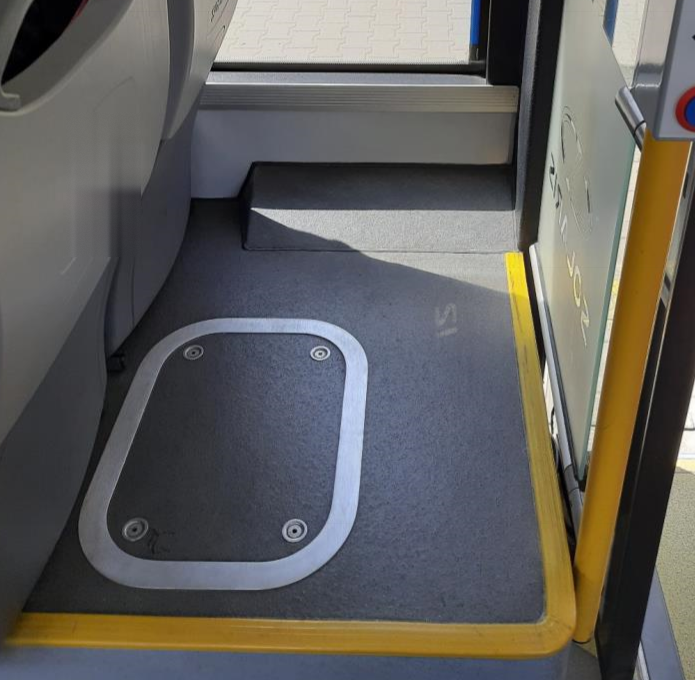
EXEL adapts to the free space in the vehicle
The dimensions of the unit can be matched to the space available in the bus. We use spaces that have so far gone unused or that can easily be rearranged — without restricting passenger access and with emergency exits kept clear. Below are examples of potential installation locations.
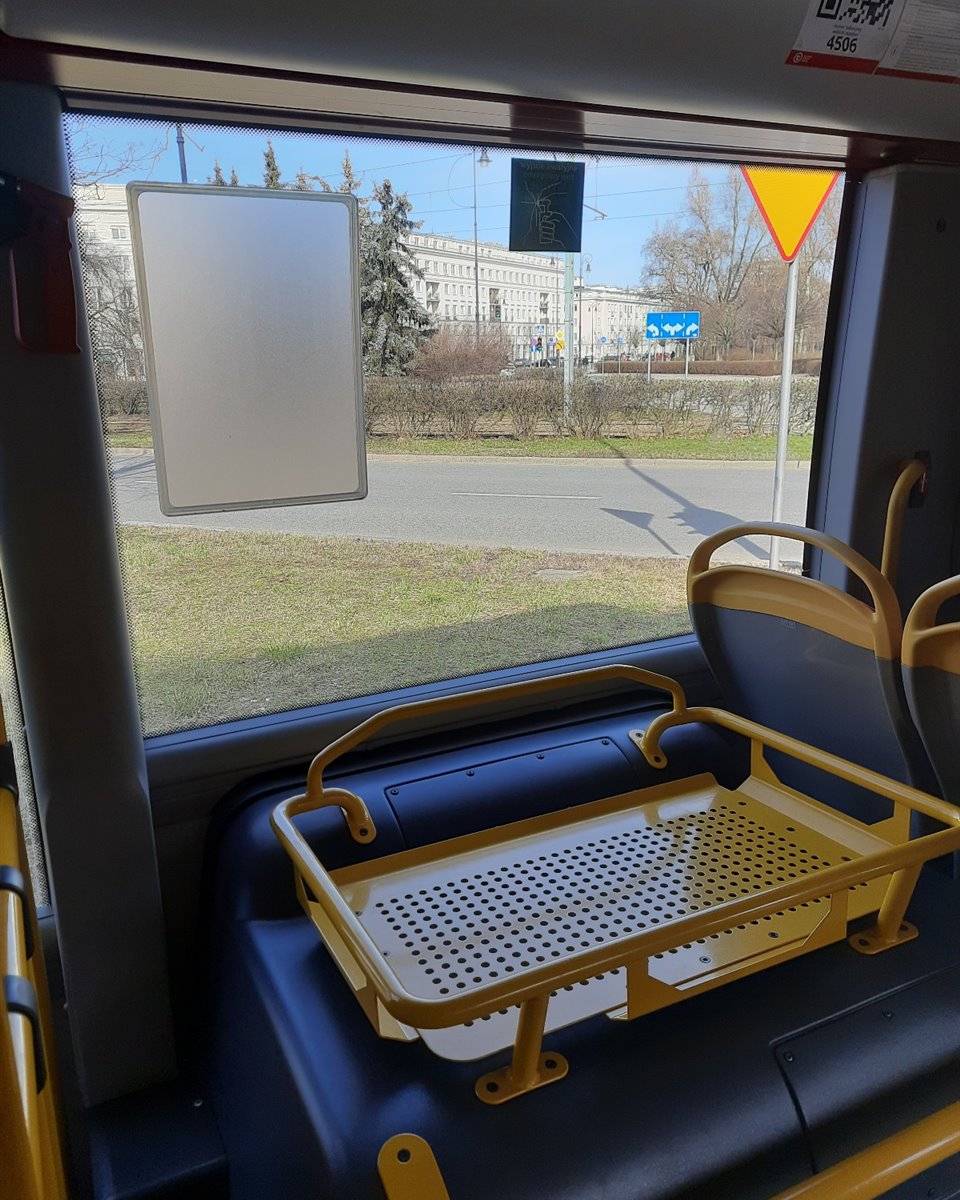
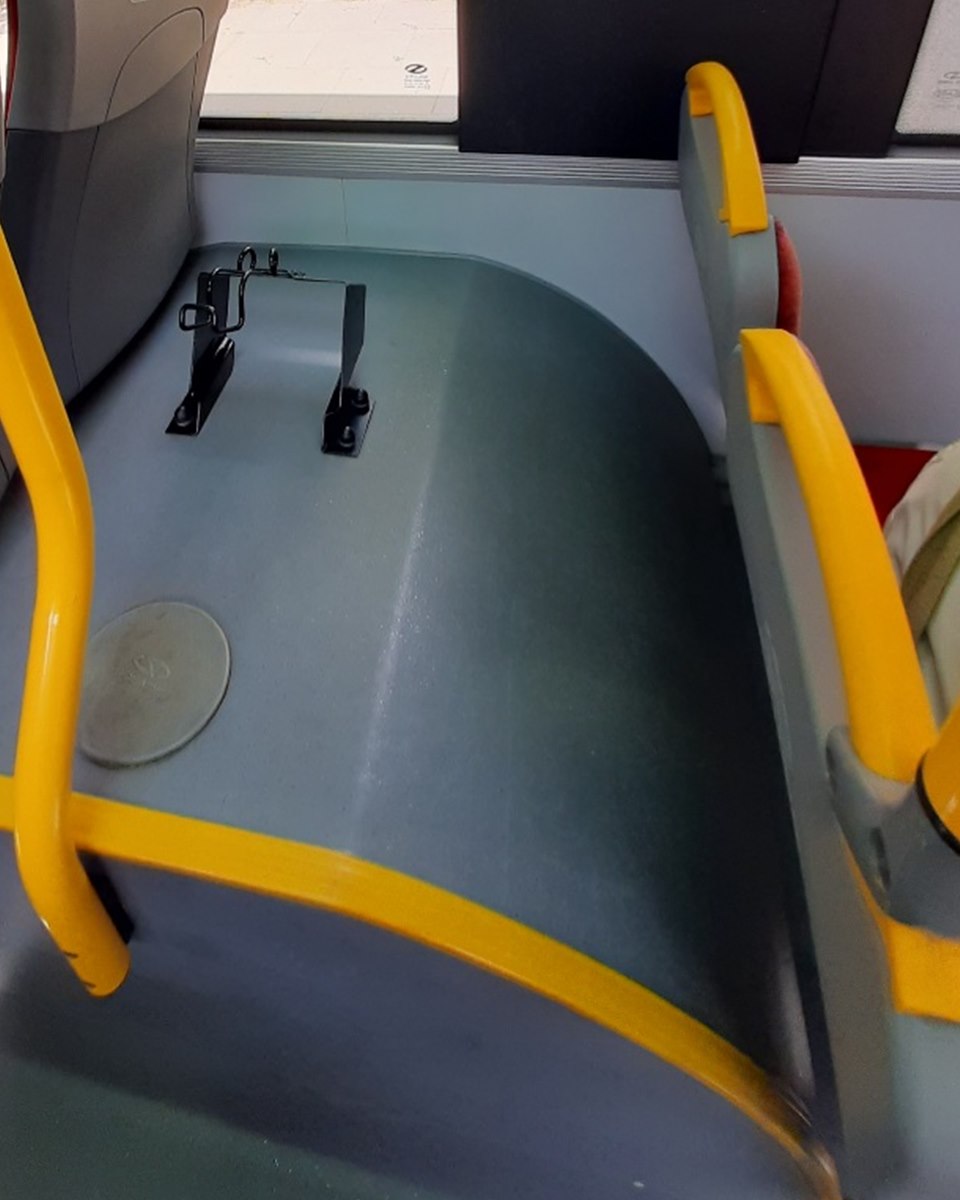
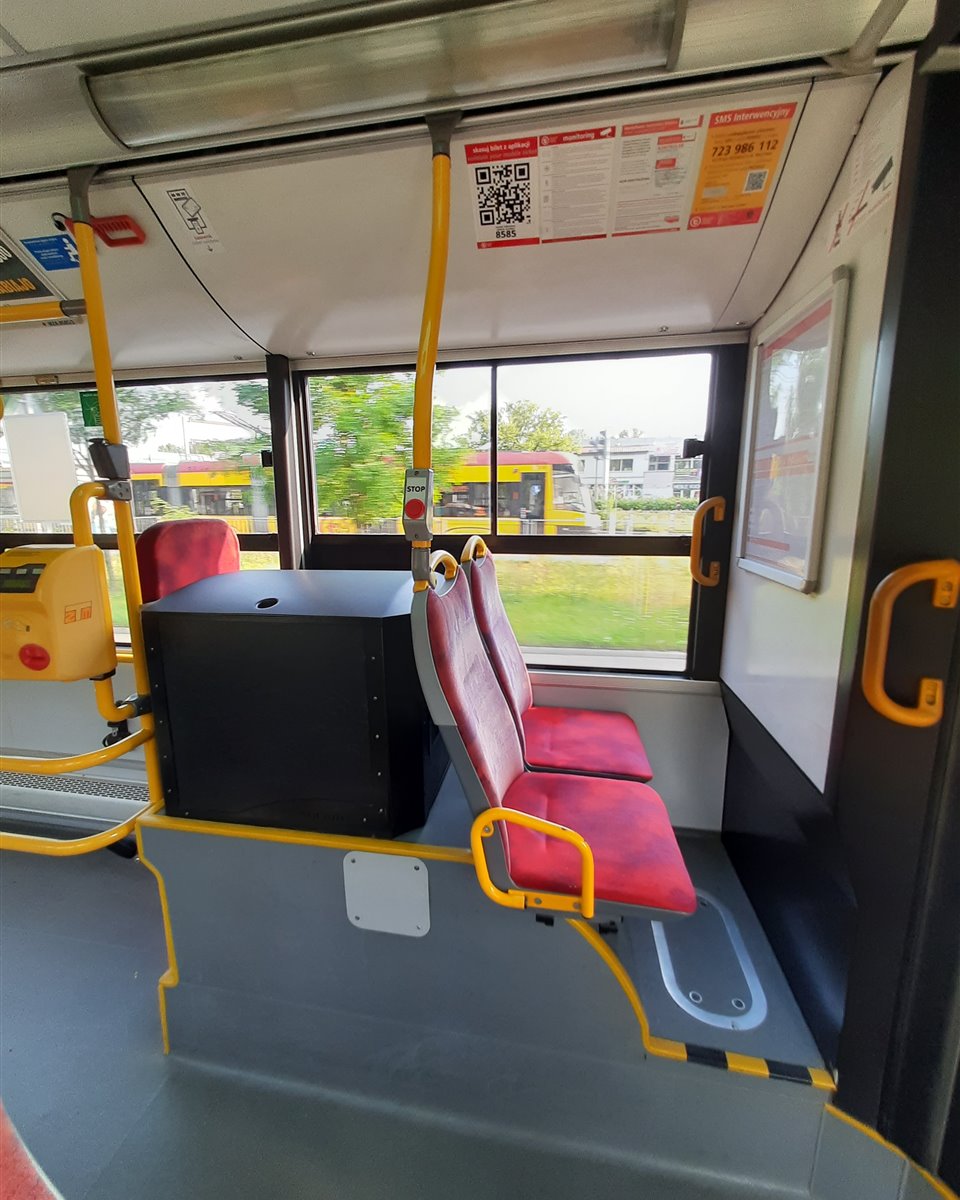
A vehicle fitted with EXEL moves right where harmful emissions are produced
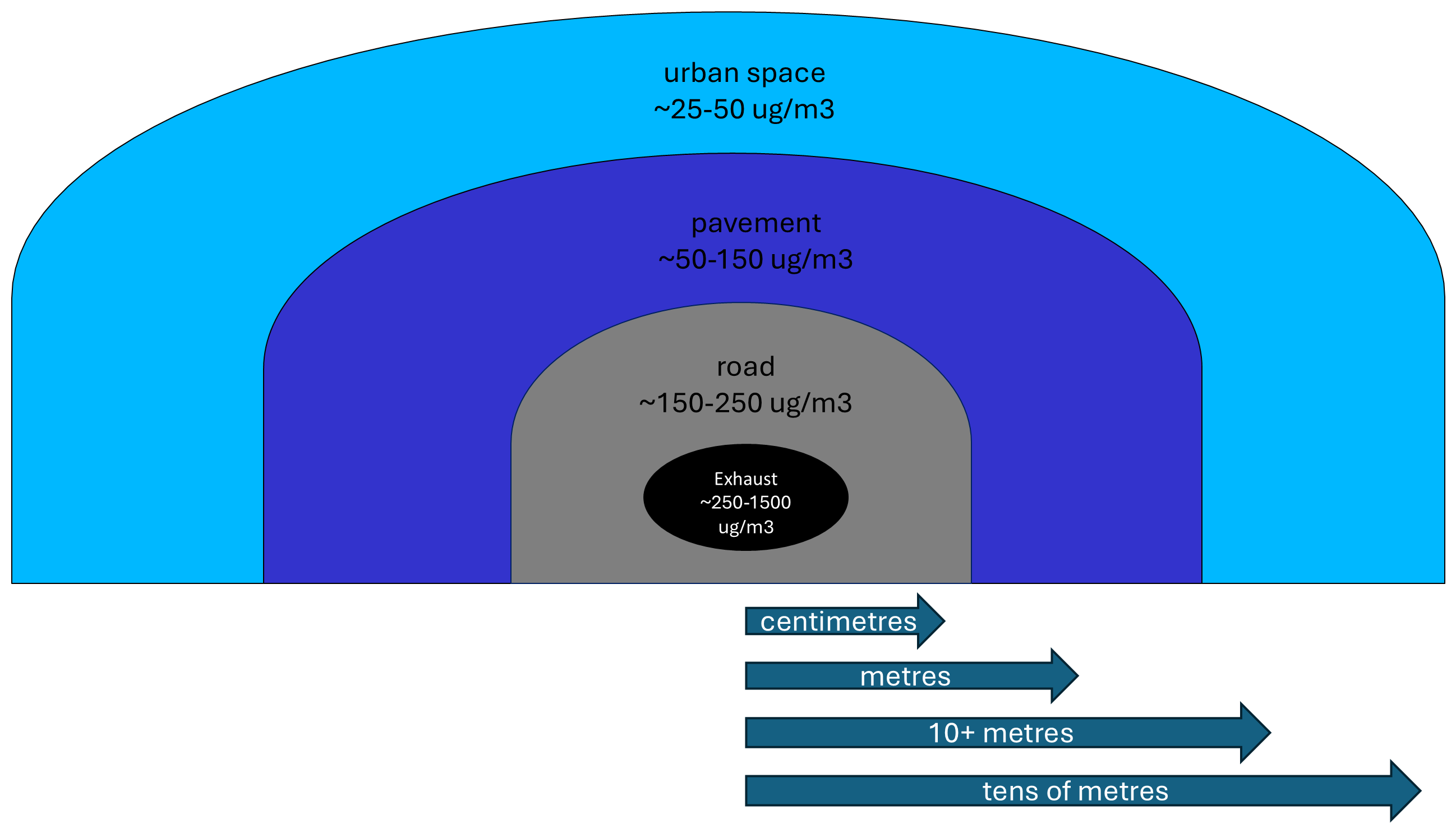
The closer to the source of pollution, the higher its concentration. A public transport vehicle travels on the road — so it draws in air almost directly from the exhaust pipes and from around the brake pads and tyres of other vehicles, before the pollution has a chance to disperse. That is exactly why cleaning "at the source" is so effective.
Cleaning instead of dispersing
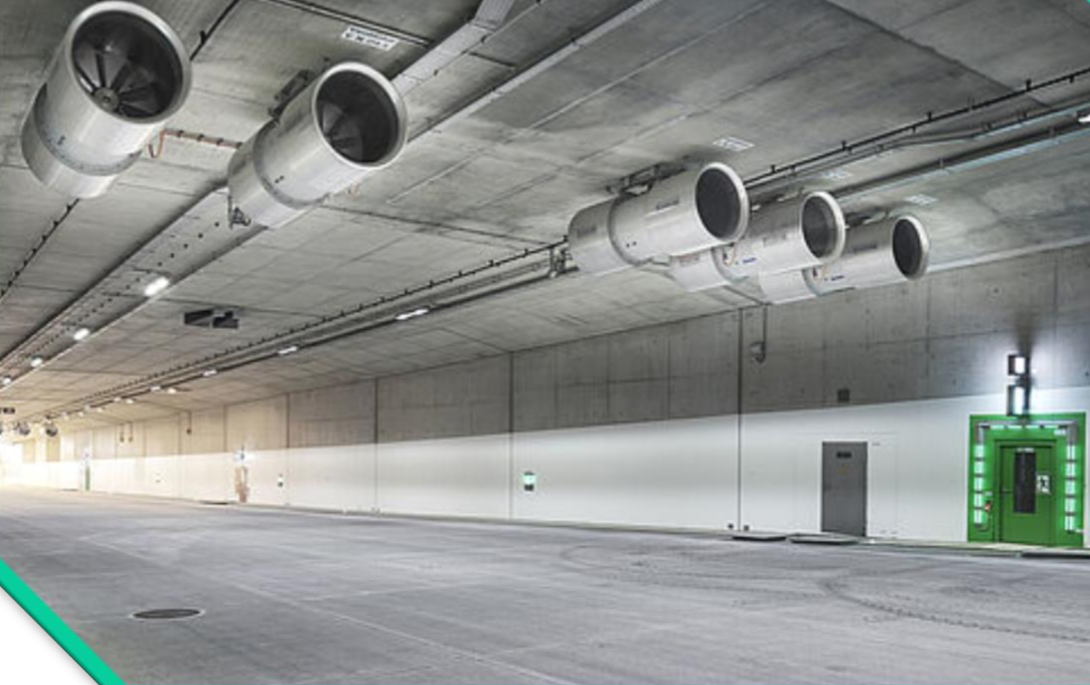
Powerful tunnel fans let road users inside breathe more easily, but at the cost of polluting the surrounding area — they simply push the exhaust fumes outside. EXEL can change that by cleaning the air inside the tunnel instead of spreading it around the neighbourhood, which also saves the city money on the electricity used by the fans.
Any size of facility
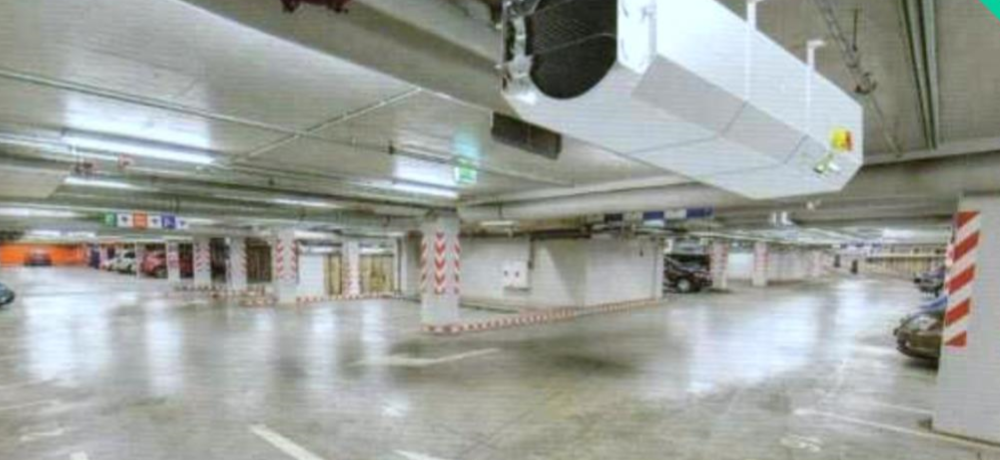
Until now, cleaning the air in underground car parks has meant nothing more than ventilation — in other words, expelling the pollution outside. The visualisation shows an EXEL unit mounted on the ceiling of a real underground car park, integrated with the existing infrastructure.
Let's talk about using EXEL in your city
Go to contact →
Air purification systems
for all traffic-related pollution.